Technology is evolving rapidly, and mobile networks are no exception. Over the past decade, the world has experienced a massive transformation in internet connectivity. The transition from 4G to 5G is one of the most significant technological upgrades in mobile communication. This shift promises faster internet speeds, lower latency, and improved connectivity for millions of devices worldwide. If you are considering upgrading your device, understanding the benefits of moving 4G to 5G will help you make the right decision.
Understanding the Difference Between 4G and 5G
Before upgrading, it is important to understand what makes the transition 4G to 5G so revolutionary. The fourth-generation network, commonly known as 4G LTE, provided reliable mobile internet with decent speeds suitable for streaming, browsing, and gaming. However, with the growing demand for faster connectivity and smarter devices, the limitations of 4G became noticeable.
The shift 4G to 5G introduces a new generation of wireless technology designed to handle much higher data speeds and support a large number of connected devices simultaneously. 5G networks can deliver speeds up to 10 times faster than 4G, making downloads nearly instant and streaming smoother than ever before.
Faster Internet Speeds
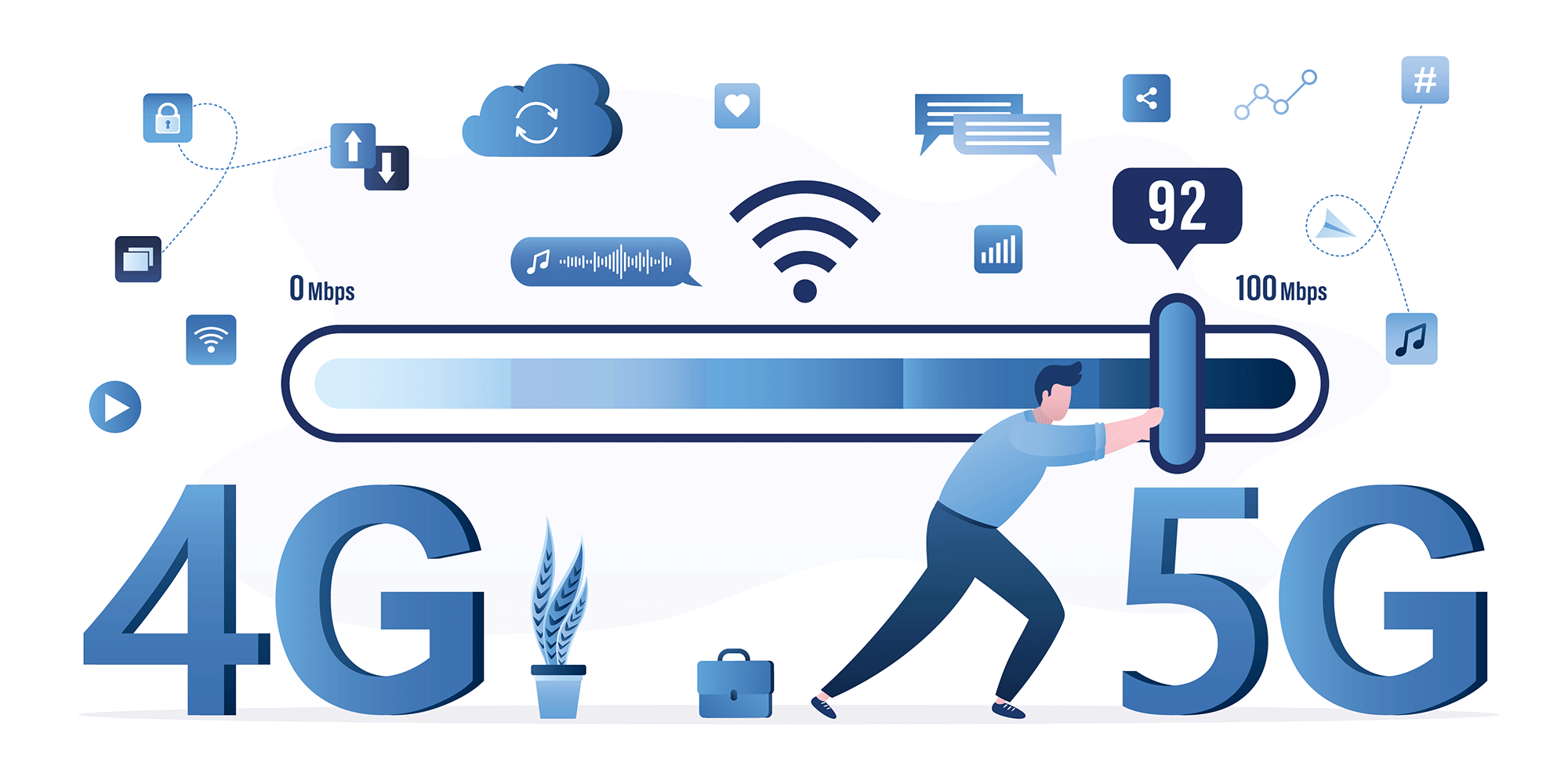
One of the biggest advantages of moving 4G to 5G is the dramatic improvement in internet speed. While 4G networks typically offer speeds between 20 Mbps and 100 Mbps, 5G can potentially reach speeds exceeding 1 Gbps under optimal conditions.
This improvement means that downloading large files, streaming high-definition videos, and playing online games become significantly faster and more reliable. Users upgrading 4G to 5G will immediately notice reduced buffering and quicker response times while using their devices.
Lower Latency and Better Performance
Latency refers to the delay between sending and receiving data. In simple terms, it is how quickly your device communicates with the network. One of the most impressive aspects of the transition 4G to 5G is the reduction in latency.
While 4G networks typically have latency around 30–50 milliseconds, 5G networks can reduce this delay to as low as 1–10 milliseconds. This improvement is extremely important for applications such as online gaming, video conferencing, augmented reality, and remote work. As more people upgrade 4G to 5G, digital experiences will become smoother and more responsive.
Improved Connectivity for Smart Devices
Another major reason to consider the shift 4G to 5G is its ability to support a massive number of connected devices. Modern homes and workplaces rely on smart gadgets such as smart TVs, security cameras, smart thermostats, and wearable devices.
5G networks are designed to handle these devices efficiently. When you upgrade 4G to 5G, your smartphone can connect more seamlessly with the growing ecosystem of smart technology around you.
Better Streaming and Entertainment
Entertainment consumption has changed dramatically in recent years. High-definition video streaming, cloud gaming, and virtual reality are becoming increasingly popular. The transition 4G to 5G plays a crucial role in improving these experiences.
With faster speeds and lower latency, users upgrading 4G to 5G can stream 4K and even 8K content without interruptions. Cloud gaming services will also perform better because 5G reduces lag and improves overall responsiveness.
Preparing for the Future
The move 4G to 5G is not just about faster internet today; it is also about preparing for the future. Emerging technologies such as autonomous vehicles, smart cities, and advanced healthcare systems will rely heavily on ultra-fast and reliable networks.
By upgrading 4G to 5G, users position themselves to benefit from these future innovations. Devices designed for 5G will support new applications that are not possible with older networks.
How to Upgrade Your Device
Upgrading 4G to 5G is easier than many people think. First, you need a smartphone that supports 5G connectivity. Many modern smartphones now include built-in 5G capability. Second, you need a mobile carrier that offers 5G coverage in your area.
Once you have a compatible device and network plan, the transition 4G to 5G happens automatically when your phone connects to a 5G signal. Most users notice immediate improvements in speed and performance.
Is It Worth Upgrading Now?
Many users wonder whether moving 4G to 5G is necessary right now. The answer depends on your location and usage needs. If you frequently stream videos, play online games, or rely on fast mobile internet for work, upgrading 4G to 5G can significantly improve your experience.
As global 5G coverage continues to expand, more people will benefit from the advantages of this technology. Devices that support the transition 4G to 5G are becoming more affordable, making the upgrade accessible to a larger audience.
Final Thoughts
The evolution 4G to 5G represents a major milestone in mobile technology. Faster speeds, lower latency, improved connectivity, and support for advanced technologies make 5G the future of wireless communication. By upgrading your device 4G to 5G, you gain access to a more powerful and reliable network that enhances both productivity and entertainment.
As the digital world continues to grow, the shift 4G to 5G will play a key role in shaping how we connect, communicate, and interact with technology. Upgrading today ensures that you stay ahead in a rapidly advancing technological landscape.